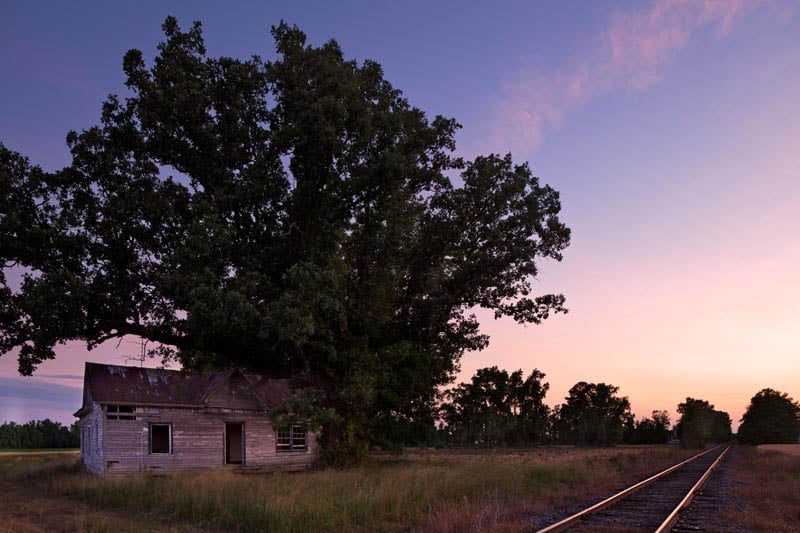
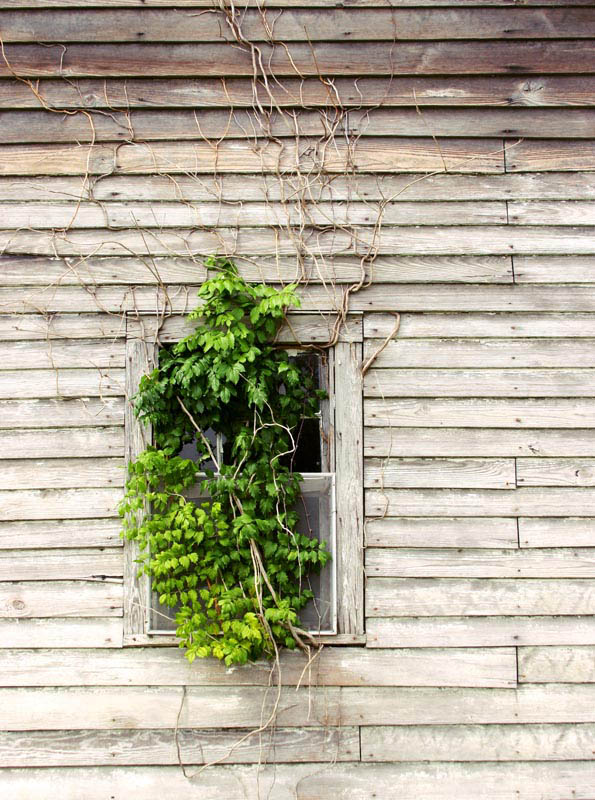
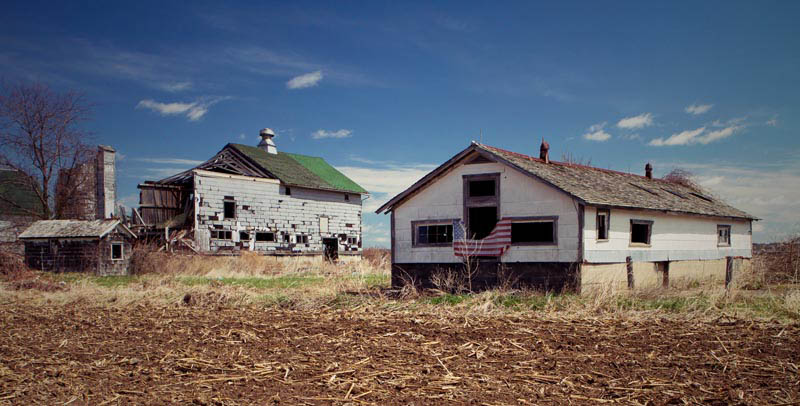
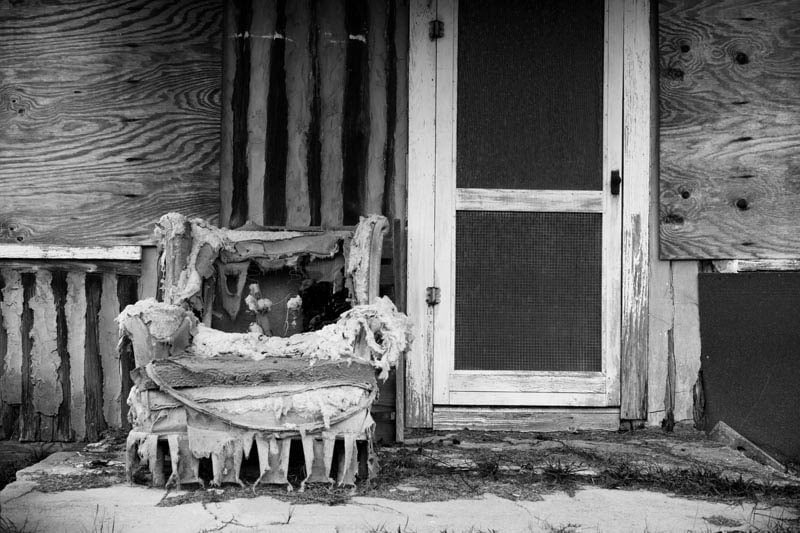
OCTOBER 10, 2003: Mom whipped her head around towards me slumbering in the back of the car and demanded, “Are you listening, Sterl?”
I drowsily raised my head from the nest I made between the back seat and rear window enough to mumble, “Yeah sure Ma.”
Seemingly satisfied with this less-than-robust answer, my mother returned to pointing out farmhouses and vast landscape beyond my parents’ car as my father drove us through the Georgia countryside surrounding Glenville and Claxton. As with every trip to Georgia since I was a young child, I displayed idle interest in the rural scenery whizzing past my window as Mom continued to describe distant relatives I never heard of and ghosts of places that escaped my attention. Having lived in the suburbs of New Jersey and cities of Houston and Raleigh, I felt little connection to these country surroundings and stories of my mother harvesting sugar cane. At the age of 28, I was unsure why I still reverted to becoming a child each time I sat in the rear of my parents’ car, but just like at the age of 8, would always soon fall asleep to the gentle hum of their vehicle.
We were on our way to see Aunt Claudia. I had little to no memory of Claudia as a child, but often remembered her husband, Uncle Sam, when he’d visit our family up North. Every year my uncle would jokingly stoop over, claiming he’d kidnap me down to Georgia to hunt alligator on their many acres of property, to which I’d vehemently shake my head and retreat in terror. I was a homegrown Jersey boy and got my food from the supermarket, no way I was huntin’ no reptile.
Sam was a sharecropper in the 1930s well before my mother, his sister, was born. My aunt came from a well-read and educated family, a rarity for black Americans in the deep south during the Depression Era. She was the first black woman employed by a bank in the state of Georgia. When most of my mother’s side of the family moved during the Northern flight of the early 60s, Sam and Claudia chose to stay at the only home they ever knew.
On this visit I recall Claudia, as sharp as ever, cracking jokes while sitting on the front porch of the humble country abode she and Sam owned for many decades. A widow in her early-90s, she took care of herself and for safety had a shotgun she’d show no hesitation to use on any intruder. Of course, the elders joshed me for my (still) aversion to hunting alligators. While returning to our hotel near Savannah, I was awake enough to spy a blanket of cotton stretched beyond a nearby swamp. The next morning, on a windy and overcast day, as my parents’ drove further south, I felt compelled to return to Claxton before tripping back to North Carolina.
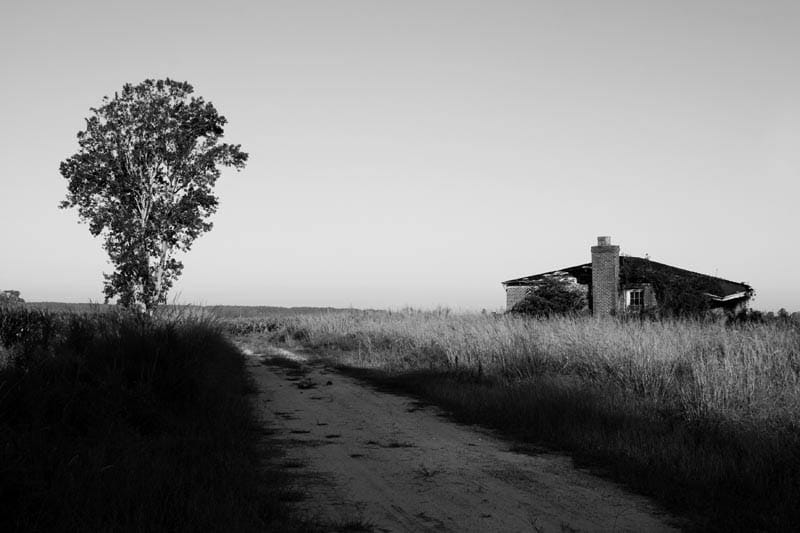
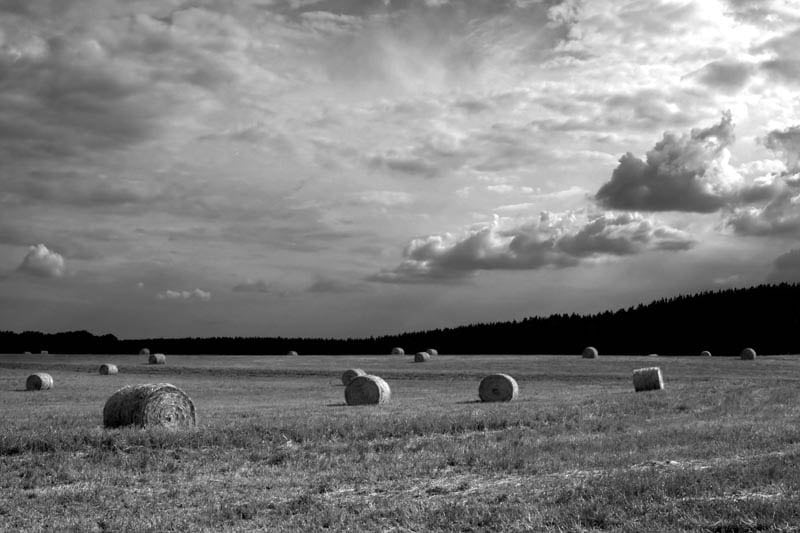
There was something haunting about looking over this cotton field in an area where so many of my extended relatives live to this very day. I suddenly understood everything Mom was trying to convey and couldn’t help but wonder if our ancestors slaved this exact cotton field. Many generations later, I stood free in front of the very crops they picked over. It finally hit me that where I was is where I came from.
I took out my point-and-shoot Canon Powershot G2 and captured this image, one of my earliest compositions.
Claxton Fields (2003) (click for larger view)
It was the last occasion I saw Aunt Claudia alive and the following year we returned to the Claxton area for her funeral. By this time, I had completed my Master of Architecture degree, relocated to the state of Georgia for work, was learning how to use my first digital SLR, and developed quite a budding romance for shooting the rural condition. Absorbing scenes such as this had a major influence towards my new passion for photography.
In the spring of 2003 I had renewed a fledgling interest in taking pictures that I hadn’t since the mid-90s while taking a B&W film course in college. The presentation of Claxton Fields evolved out of my inability to seamlessly stitch a series of shots, as Photoshop and other programs were nowhere near the tools they are today. With nothing but a 4 megapixel point-and-shoot, I’d capture entire buildings by taking many photos and overlapping them.
During my first visit to Baltimore on a trip with my architecture design studio, instead of merging individual photos and seeing exactly where they didn’t match up, I selectively sliced photos and placed them down like puzzle pieces.
I began combining my architectural knowledge, graphic sensibilities, and picture-taking interest to not just merely compensate for my lack of photographic ability and digital prowess, but artistically inform the viewer by tying photo slices together to present a cohesive scene. Sometimes the experiment worked and other times it didn’t.
(select for larger image)
As I learned more about photography, had a digital SLR and wide-angle lens in tow, became handy with a tripod and with Photoshop, this style fell quickly to the wayside. However, Claxton Fields remains the lasting, penultimate result – conveying a timeless and personally emotive scene in a contemporary digital fashion – and the only image of this type in my portfolio.
Thank you so much to everyone for making 2012 a fruitful, successful year. I’m truly blessed to have the best clients and supporters that I could ever hope for, to get to see, partake, and share everything I’ve been able to. These are my favorite photographic memories of the last year. Again, it’s been a thrilling ride, so thank you and see you in 2013!
I was pretty stoked to see the natural scenery in the Ozarks. The first location I stopped by was Petit Jean State Park, which has Cedar Falls. After 45 minutes of hiking, I finally reached the waterfalls to find…this trickle. The outlines on the photo illustrate how wide the falls normally are.
The next day I went to Falls Branch Creek at Lake Catherine State Park in Hot Springs and got this:
During my second leg through Arkansas, I met up with an amateur photographer named Peggy. She wanted to learn more about photography, so she tagged along with me one morning while checking out some waterfalls. We left early morning from Fayetteville out to the town of Natural Dam (you’ll never guess what it’s named after). But before we got there, there were some cows in the mist that demanded to be photographed.
One Arkansas Morning (2012)
We arrived at Natural Dam another ten minutes away. The cool thing about the formation appears man-made, but it’s natural. I was excited to get there, but was just slightly disappointed at the water flow. Normally the entire dam would have water falling, but the drought meant only intermittent water spouts here and there.
However, you can freely stand on top of the dam, which is not a normal condition.
So you can already tell where all this is going. Devil’s Den State Park? Dry. Pig Trail Falls? Barely there. High Bank Twin Falls? Couldn’t find it. Turner Store Falls? Not even there anymore. As a result I wound up skipping some waterfalls I originally intended to visit, but some places are SO cool I had to check them out. One of them is called the Glory Hole (no snickering). Basically you hike down to the top of a shallow cave formation with a large hole on top, formed by what I’m sure is hundreds to thousands of years of water streaming through it. You can hike down further to the cave and look up at the hole while the waterfall falls through it. Sounds cool, right?
It’s a difficult location to find and had to perform a decent amount of research to mark it on a map. When you arrive, it’s a moderate 25 minute hike down, but a killer on the way back up. After all the failures with waterfalls I had to give a shot!
And crossed upon the mighty, mighty Glory Hole.
So there was another set of falls I wanted to see that required me to get up at 3 a.m. and drive two hours to get to Haw Creek. I had seen pictures of this wide expansive waterfall, similar in width to the Natural Dam but was scared at what I’d find. Screw it, it was a cloudy day with nice autumn colors and I’m here, so why not?
There’s a campground adjacent to the falls and I arrived while it was still dark. I heard the sound of water, so that was a good sign. As the sun rose and I could see more clearly, it was obvious the falls were not as forceful as usual. In fact, much of the creek had pulled back. However, the scenery was so gorgeous anyways – and quite frankly – different than it normally was, that I had a ton of fun with it. I met a very friendly local Arkansas photographer while I was there and we talked shop for a little while, discussing our different travel plans in the area.
Again, the outlines portray what normally would be there.
The thing that made these pictures different than normal is a lengthy horizontal rock shelf that forms deep shadows in the crevices below. There’s something it I can’t put my finger on that seems to add so much to the imagery.
Every year I take a picture that for whatever reason, seems to stand out from the rest and Haw Creek provided the backdrop for this one. You can see how the creek receded at the top of the rock ledge, you can easily walk up there without getting your feet wet. There was only one major flow of water, and a minor one further back, but I happened to have been there during peak autumn colors and it worked. So I’m glad to be there when I did, no matter how all of the other falls worked out. Being a photographer is about patience and timing.
Haw Creek (2012)
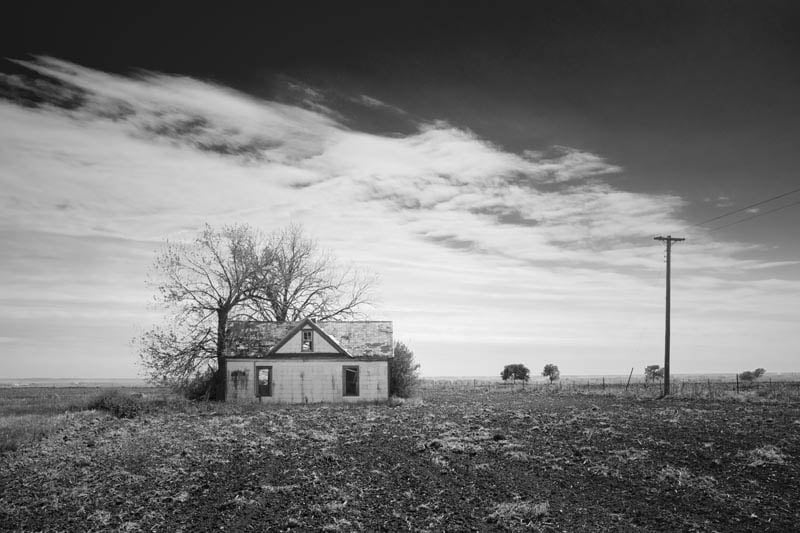
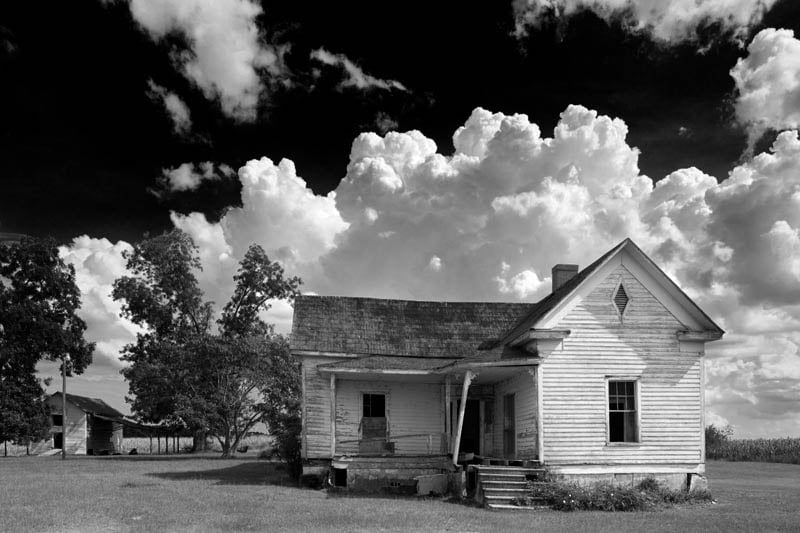
On the way out of the area, just down the road near Pelsor, I discovered an abandoned house that is so apparent from the road that I’m certain a slew of other photographers had preceded me here.
Broken Memory (2012)
And more shots I took along the winding, rural mountain highways.
Haunt (2012)
The Ozarks (2012)
Also made the drive (5 miles of it almost completely vertical in my 2-wheel drive Toyota) to Hawksbill Crag. I came during the middle of the day, so wasn’t too concerned about pulling off a shot. If I remember correctly, it’s about an hour hike, some of it hugging the bluffs so tightly, you can see straight down. That’s not an exaggeration – I mean STRAIGHT DOWN. Probably not for hikers dumb enough to be too addicted to their cell phones. I had been sneezing the entire morning and didn’t want to be the first person to plunge down the rocks below because his sinuses couldn’t act right.
Because of how dry everything was I decided to skip Triple Falls and just visit Roark Bluff. Before I get to those great bluffs, I must temporarily pause for the truly ugly part of the blog. For those of you who do not already know, I am black; this is normally unimportant even with its funny quirks here and there as a traveling photographer. Upon learning I was from out-of-state, I was warned by several very kind people not to tread through Harrison, Arkansas, the largest town in the area, due to its racial history – and more critically – its racial present. A mere 30 minute drive away from Roark’s Bluff, the town has the nearest collection of major hotels in the area, rental cars, many restaurants, and of course, gas stations. However, they live in the past and are more than happy to keep it that way. It wasn’t until I returned home to North Carolina and did further research that I figure out this is where the Ku Klux Klan is headquartered. The town has ZERO black people and 13 Latino – not 13%, but a baker’s dozen. The ridiculousness of these people are of cartoon-like proportion, but they are very real. Needless to say, I heeded the advice, took no chances, and in all seriousness share this information for others’ benefit and safety.
Warning: If you are not white and visiting Buffalo River National Park, AVOID HARRISON. I am dead serious here, I am not paranoid nor am I joking about this. Don’t be stupid.
If you ARE white and want to avoid this place out of general principle, fine, but I’m certainly not going to hold it against you if you must go there. I just have to deal with a little reality here. Besides myself, I did not see another racial minority in this entire region and the only reason I was there was because I’m on vacation. I traveled solo and had no issues during my travel through Arkansas, but anyone this affects really must use their brain.
Gas: Fill up in Jasper or in Huntsville, where the King River County Store is located.
Food: Jasper has some places, but the King River County Store is a great place to get local food and convenience items. Don’t let the intermittent sight of Confederate flags throw you off – they’re nice, friendly, inviting country folks who cook some great local food that hits the spot, all of it sure to clog your arteries. The address is 22784 U.S. 412 Huntsville, AR 72740
Sleep: Obviously you can camp at Roark Bluff, Camp Orr, and other locations along the Buffalo River. If you’re a prissy traveler like me and demand a mattress, you’ve got some driving to do. Eureka Springs is an hour northwest. US 540/ AR-21 through Rogers, Springdale, Fayetteville, and Bentonville is approximately 1.5 hours to the West. Clarksville along I-40 is one hour to the south. There are some local hotels in Jasper but I’m not familiar enough to give you advice on that or anything to the east.
(click the map above to enlarge.)
It was a pleasant afternoon and Roark Bluff is gorgeous. The river was dry so a lot of it has receded; I didn’t go down into the river bed since I didn’t have a camping permit. The last photograph was actually taken at twilight. There wasn’t a full moon or anything, so I packed it up and headed back to Clarksville, from where I’d leave for Memphis TN the following day.
Roark Bluff (2012)
Like I said in the last blog post, I had a real blast in Arkansas. It was relaxing and though I didn’t capture all the photography I wanted, was a nice break in a new place. There’s a possibility I’ll be returning there in the near future for commercial work, so…until the next time.
When I planned this latest trip, I knew I’d hit Memphis and Dallas, but noticed there was this state in-between: Arkansas. What in the world is in THAT state? So I asked my Facebook. After several people suggested driving through without stopping, many friends stepped in to make recommendations, which launched my planning for visiting the northwest part of the state.
After spending a combined 8 days in the region, I traveled enough of northwest Arkansas to fill two blogs worth. I highly recommend checking out this gorgeous state, excepting the town of Harrison and some other outliers – I’ll get to that in the second part. However, to everyone who suggested I simply skip the state, I present you with this very mature response:
NANANANANANEEEEEEEENER, NANANANANANEEEEEEEENER
Moving on – if you’re a die-hard American conservative or Republican, I realize you’re feeling a bit sensitive post-election, so you may want to skip the first few photographs.
To everyone else, man, the Clinton Presidential Center in Little Rock, Arkansas is pretty sweet. There’s simply no other presidential library like it, and sustainable at that. I can’t wait to see what the Obama one will eventually look like.
DISCLAIMER: I accept no responsibility if you have to go to the emergency room after reading that – it’s your own fault.
Okay, the rest of you can rejoin the blog narrative now. Usually I’m able to pick out something to document in any city, but Little Rock didn’t inspire me at all. In fact I didn’t take many pictures during the first five days of my trip, so I don’t know if I was just too exhausted, weary of taking photographs, or what; sometimes you just need a break. I also checked out Hot Springs, Arkansas, a city that is an ode to Art Deco. Again, didn’t really take any shots here except these apartments (below) that don’t even fit into the city. I mainly just wanted to see it as a tourist. There’s a nationally historic row of bath houses, most active, that shows how Hot Springs really lived up to its name. I’d love to see this area have some sort of economic revival it could use it.
Got to see the architectural wonder Thorncrown Chapel in Eureka Springs and its metallic knockoff the Cooper Memorial Chapel in Bella Vista. Couldn’t really take pictures at Thorncrown since they have rules about where you can go – though that would’ve been awesome – but at least got to see it in person, which is the important part.
Wal-Mart is headquarters in Bentonville, Arkansas and lemme tell you – there are Wal-Marts EVERYWHERE in Arkansas. Driving through Fayetteville, I easily drove past six different Wal-Marts in about 15 minutes; all different types too – it was the first time I had seen Wally World grocery stores. The Walton family fully funded the Crystal Bridges American Art Museum in Bentonville. Pretty neat structures. I’m on vacation, one of the few times I really shoot for leisure, so was a bit bummed out with the poor weather, overall dry conditions that affected the waterfalls, and not being able to capture Thorncrown, particularly at night. At least I had Crystal Bridges, right? During my first visit, security was cool and initially allowed me to take pictures of the outside of the building, but during my second visit security was not so cool (boo, hiss). However, it’s their house, their rules and you have to respect that even if it they seem to be making it up as they go along. So before getting too in the dumps about it, I called it a night – there was no need feeling further frustrated. These are the few captures I managed there though.
Crystal Bridges (2012)
I did much exploring the natural Arkansas landscape and hiking while I was there. While driving between two locations, I stumbled across a sight I’d never seen before at an industrial plant in Russellville. At first glance, I thought it was a slew of palettes, but instead it was an immense field of stacked railroad ties. I was so enthralled with it, I attained permission from the company to shoot photographs there and had conversations with a couple of the men who worked this particular area. At first I thought they’d treat me kinda weird, but I think they could clearly tell I was interested in what they were saying and was more than happy to talk about their jobs. Lemme tell you something, the workers I talked to at this plant LOVE their jobs, LOVE who they worked for, and took obvious immense pride in their work. It turns out this plant is the largest railroad tie manufacturer in the nation. They explained to me how they cut, stacked, and allow the wood to cure before shipping these ties throughout North America. As a railroad fanatic, the kid in me found it to be fascinating.
Stacks (2012)
These are a few more scenes I stumbled across on the many long drives through the Ozarks. There’ll be a few more like this in Part 2!
Left (2012)
Arkansas was pretty cool. Most folks very warm, friendly, and accommodating towards me. Had a few quizzical looks at the Yankee hat and camera gear, but whatever. I met a bunch of people, some through Couchsurfing, others while hiking, and had a good conversation with a fellow photog while at Haw Falls. One of those I met tagged along during a morning drive checking out some waterfalls which I’ll get to in the next blog. I ate a ton of great food, but probably not a single vegetable the entire time I was in state.
Of course, there are some cultural oddities that this Jersey boy will never get used to. This safely qualifies as one of them.
The above billboard may not seem weird to anyone in rural areas, but I guarantee you a bunch of people RIGHT NOW are thinking, “REALLLLLLLLLLLLY?” See you in Part 2!
I recently visited my home state of New Jersey, pausing for a few stops along the way and back in a 1500 mile round trip. I was turned onto a renovated gas station in Elmer, NJ by another photographer and decided to take a side trip on the way to my parents’ house.
Elevating over downtown Elmer is a large rusted tower. Just like my entire trip to Jersey, it was overcast and raining that day. I’m not sure why my black and white photography has taken such a moody turn over the past couple years – and perhaps it’s because I have to be so colorful professionally – but the weather fit my evolving development style.
Elmer (2012)
I also found the renovated Texaco, which was pretty neat. You can tell the owner took a lot of time restoring this place.
There’s even an outhouse!
The state routes between southern and central Jersey led me to some rural finds. Yes, there’s a real reason we’re called the Garden State.
Rusticated II (2012)
Stella Farms (2012)
After visiting my family, I hightailed it to Philly. Of course to do that, you must exit through Camden, which is often considered the most dangerous city in the United States.
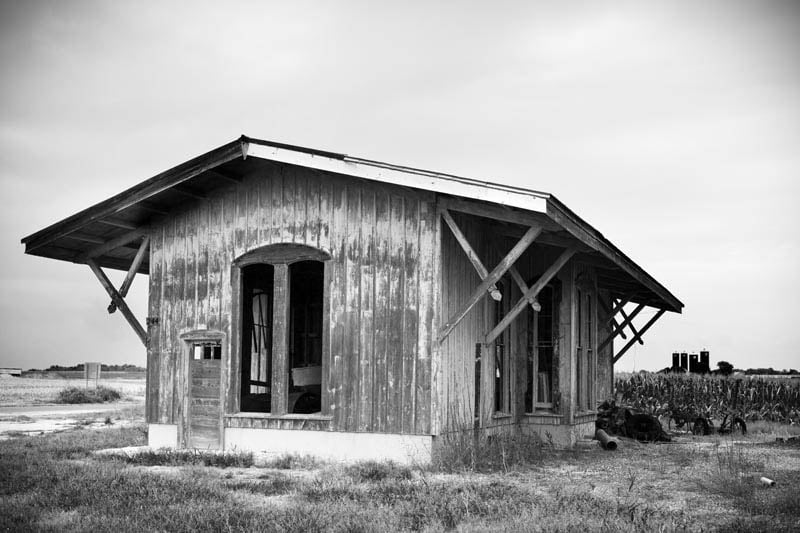
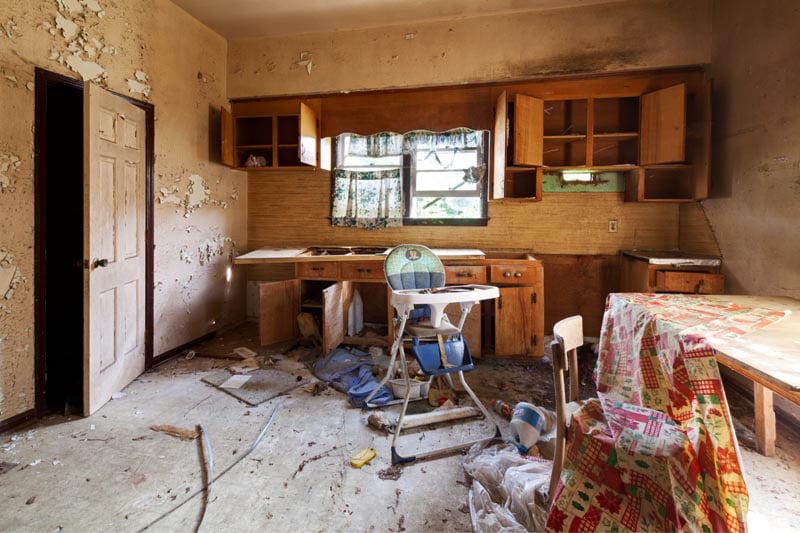
There’s an abandoned building near the tracks that I stumbled upon in 2003 when I was teaching myself how to shoot a camera. Makes sense to stop, right?
It’s safe to say 2011 has been the most frenetic year I’ve experienced since becoming independent. It was also the first time in two years I had the enough time to travel for leisure. I got to travel through 19 different states, visiting many friends and family whom I don’t get to see often enough. These are some of my favorite photographic memories from the past year. As always, sincerely thank you for your continued support through the years and here’s to the new year!
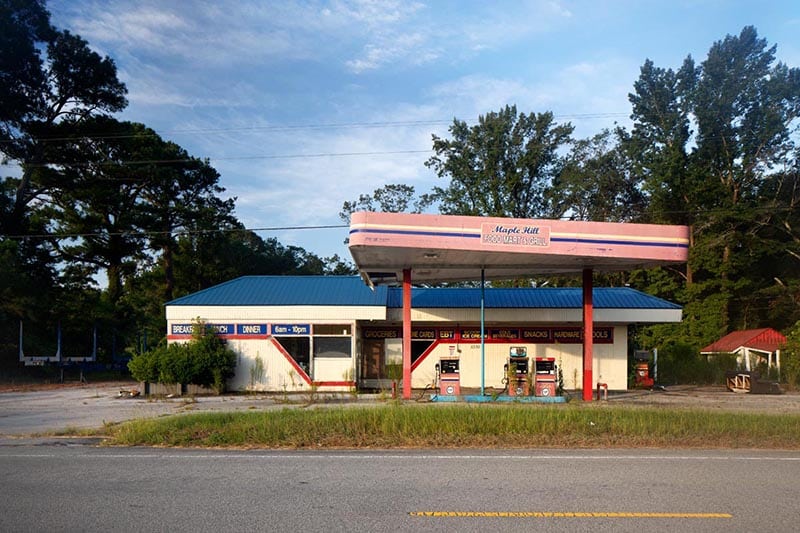
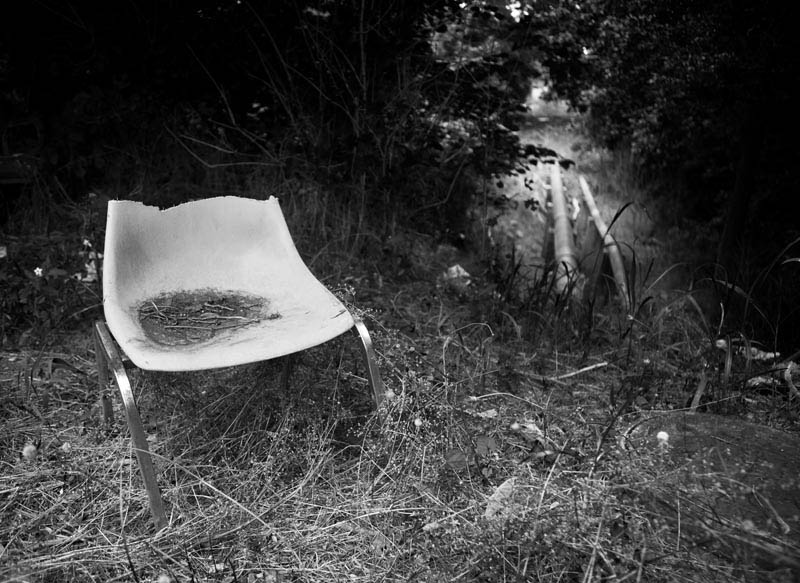
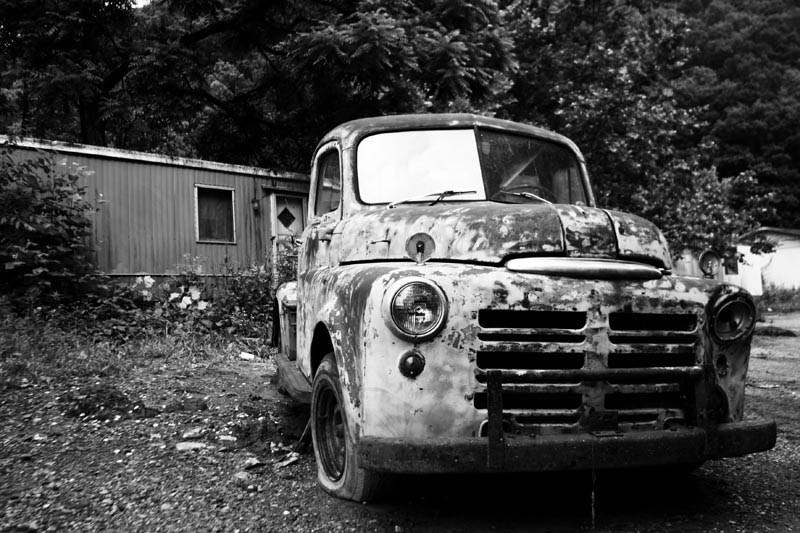
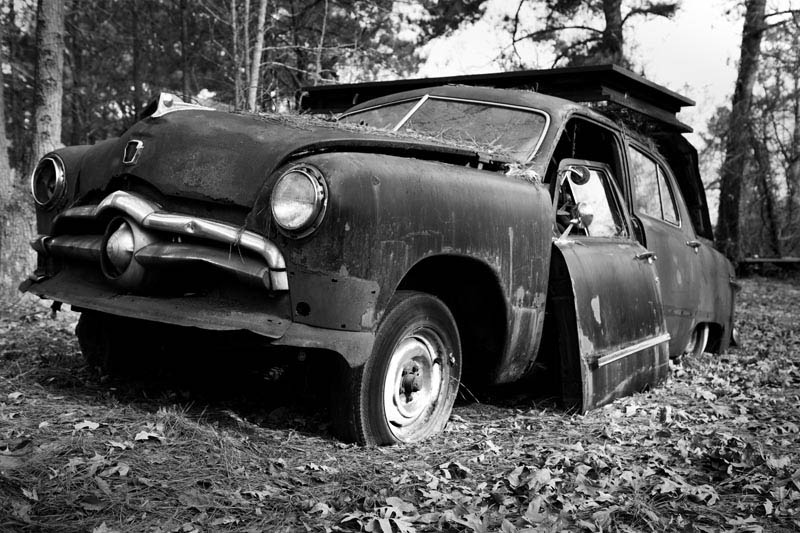
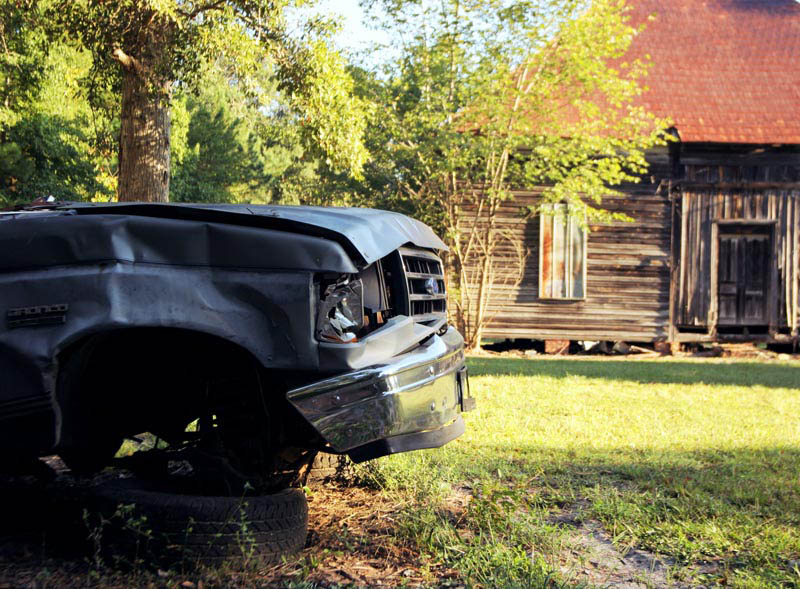
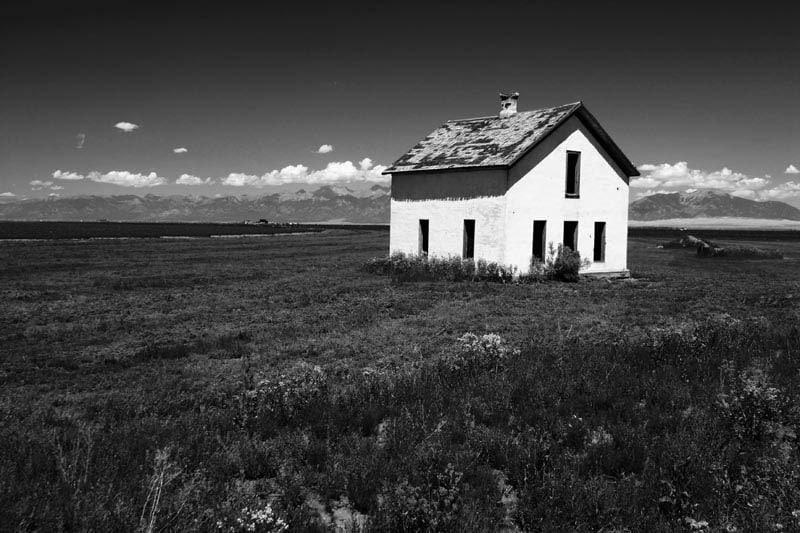
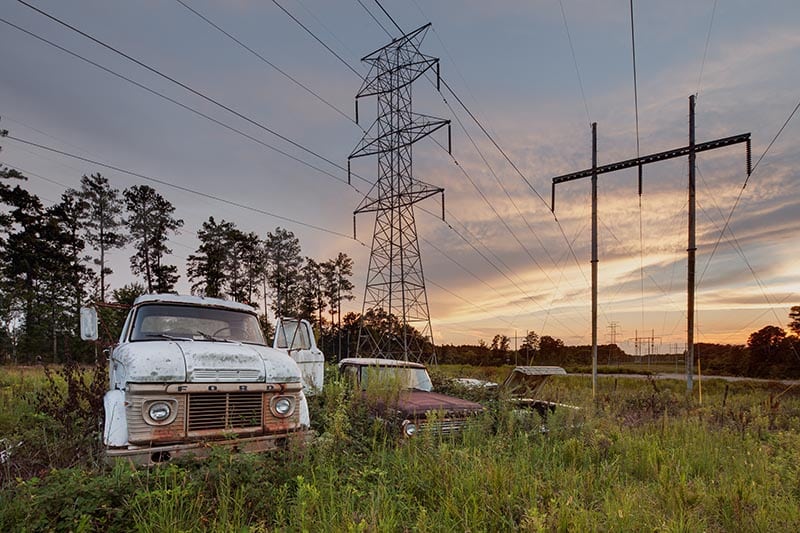
Last week I joined the Cary Photographic Artists on a shoot hosted by Wayne Dockery in Clayton, North Carolina. I’m rarely in Clayton and certainly haven’t explored it much but now I’m determined to do so more often. There are many rural treasures including this roadside heap of oxidized junk scattered into the trees. It reminded me of the hundreds of vehicles lodged into the woods of Leesville, South Carolina.
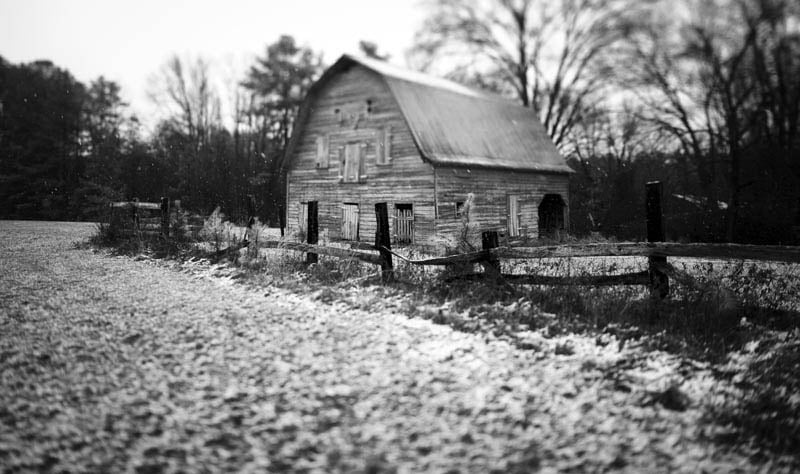
Not much to say here, we were there for about 2 1/2 hours. Not only do I rarely shoot for fun anymore, but I also rarely shoot with shallow depth of field or wide open, so I pretty much just did that the entire time. It was a nice little break.
I intended to spend 4-5 days in the mountains of west North Carolina. In typical fashion, I went up during weekdays to avoid insane weekend crowds; nothing seems so counter to the natural beauty of autumn colors than two hours worth of traffic backup along the Blue Ridge Parkway, you know? Unfortunately, due to how early the fall colors arrived and oncoming rain, that trip got cut short to 2 1/2 days. I only had time to see half of what I wanted to see, especially the waterfalls, which I’ll likely save for a spring or summer trip. Fortunately, colors were about peak in the Asheville area and further south. This is some of what I did get to see and shoot with the limited time I had.
I made attempts with panning by strapping on an ND8 filter, narrowing my aperture, and shooting long exposures between 1/2 and 2 seconds. It seemed like an interesting idea so figured I’d give it a whirl.
Really not sure how I feel about them, so I was happy to go back to some more traditional stuff.
Reach Out (2011)
These were some waterfalls I was able to drive and hike to. First is Cove Creek Falls:
Looking Glass Falls (2011)
Standing on Triple Falls (2011)
Cascades III (2011)
French Broad Falls
Of course, it was just a matter of time before I swerved from nature towards a combination of environment and built structure.
Living Waters (2011)
Though disappointed in cutting my trip short, it was beautiful and I had fun on my little break. Catch you around next time.
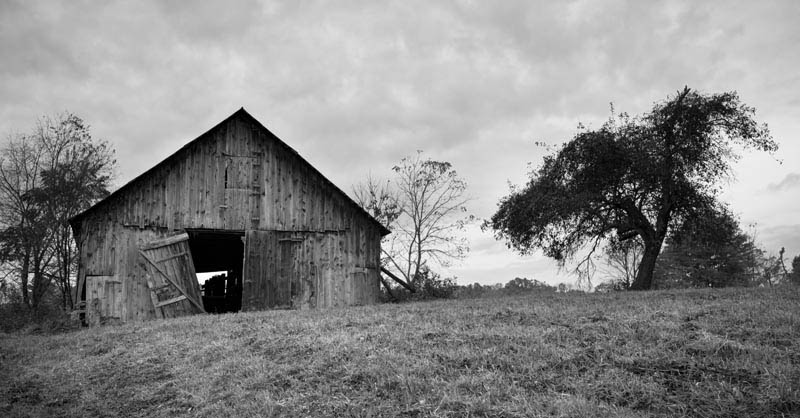
How many times have you ever thought to yourself, “It’s cloudy and looks like it’s about to rain, I’m not going to shoot today.” I’m not referring to dramatically stormy days either that litter the “most popular” fields in every social media art website, but to dreary overcast days that makes you just want to sleep in.
Remember that as complex as photography gets, it boils down to one very simple overarching idea. Photography is the recording of light. Whether it’s the effect of light from a specific source, reflected off a surface, or non-visible light such as ultraviolet or infrared, that is IT. I always try to bear that in mind when shooting. Though I’m not a huge fan of cloudy days, I’d never qualify using my camera then as inherently better or worse than a sunny day – just different.
What’s the best time to shoot on an overcast day?
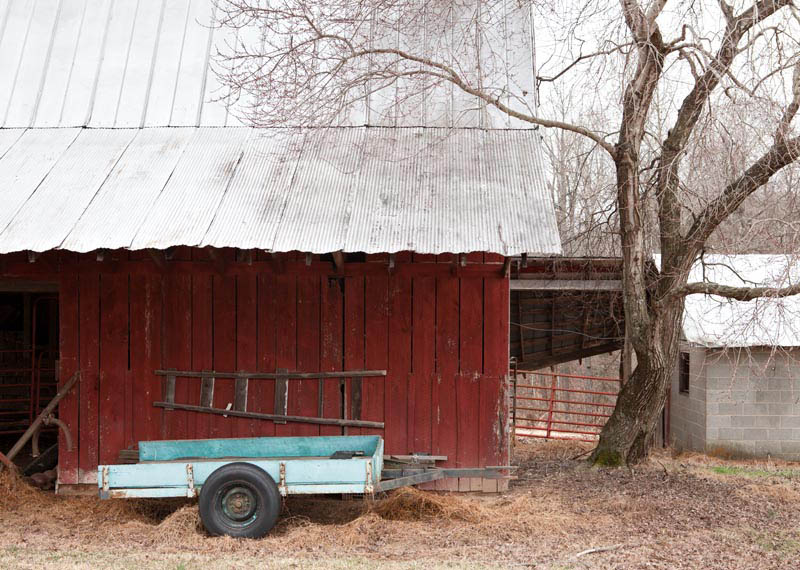
Like a sunny day, shoot anytime; it just depends what you choose to photograph and your artistic preference. The nice thing is you don’t have to worry so much about taking pictures outdoors during a “poor light” time of day. My personal favorite time to photograph when cloudy is opposite to how I consider a clear day. Early in the morning and evening tend to possess much less light, so pending your camera’s ability, you’ll need to increase your ISO, slow your shutter speed down, and/or widen your aperture. You may even require a tripod. It allows opportunities for your greatest dramatic contrast between a dark sky with colors or highlights contained within your photo. However, you’ll get the maximum amount of diffuse light at “high noon” (you’ll notice most of the example shots are midday). The impact of time of day on your photography varies according to how light or murky the atmosphere above is.
ISO-100, F8.0, 1/320s, 1:35 PM CST
Black and white photography
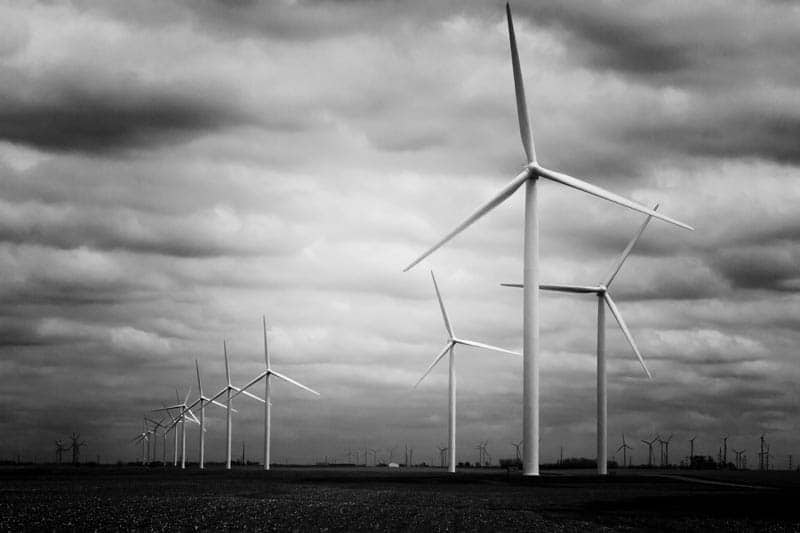
One of the few things that actually sunk in from college professor during a B&W film photography course (g.o.y. 1995!) is that cloudy days provide excellent opportunities for black and white photos. It essentially turn the sky into the world’s largest softbox. Sure, we see in color and our digital camera sensors are recording in color, but the soft-balanced light, combined with less light bouncing from non-reflective surfaces can have quite an effect traditional black and white photography.
ISO-400, F8.0, 1/2500s, 1:39PM CST
Speaking of soft-balance light…
Ever shoot flowers or other foliage on a bright day versus a cloudy day? Diffuse light creates lower contrast and makes colors pop than if the subject matter was reflecting bright sunlight. Colors appear more saturated. That makes it great for subject matter such as portraits, still-life, and waterfalls. I won’t pretend I understand all of the physics, but the reason colors seem more vivid stems from the same reason we see color in the first place – a combination of reflected and absorbed light by a material. For a scientific explanation, here’s a good summary about the physics of color on Wikipedia. Also check out the book Light Science & Magic. It’s in my personal library and effectively explains the effect of light on objects and materials in a digestible graphic and verbal manner.
By the way – forgot to pack the neutral density filter or polarizer in your camera bag? A cloudy day will help negate blown highlights and reduce the impact of light poking through the top of foliage at slower shutter speeds.
Greater apparent detail
As just mentioned, all materials have varying properties of reflecting and absorbing light. Photography doesn’t record absorption, but opaque surfaces tend reflect as intensely or cast definite shadows when the originating light source has wider dispersion. That’s why there are all sorts of Tupperware-shaped doohickeys to purchase for your flash and ginormous umbrella thingies to fasten to your light stands. Therefore, when a material such as wood isn’t reflecting as much light, your eye picks up a greater amount of detail in that material. The apparent difference is even more so with our camera sensors because they don’t possess the vast dynamic range of our eyes.
ISO-100, F4.0, 1/640s, 12:50 PM EST
Photograph in 2D!
Okay – maybe not really in two dimensions. However a less-defined shadow allows you to consider things in profile you might’ve ordinarily looked at in full three dimensions. Sometimes sharp shadows are your friend and on other occasions they’re your enemy. However with those high-contrast shadows no longer streaking across, take the opportunity to scope underneath natural and human-made canopies such as shallow tree cover and roof structures.
ISO-640, F3.5, 1/250s, 12:46 PM EST
Silhouette
Cloudy days can turn the sky into one expansive back light. Play with how objects form against it.
ISO-200, F8.0, 1/60s, 7:03 PM EST
Reflective surfaces.
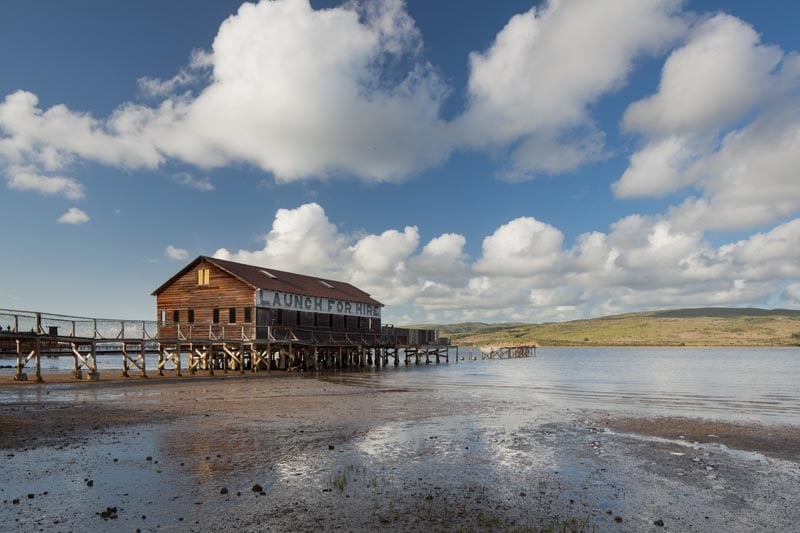
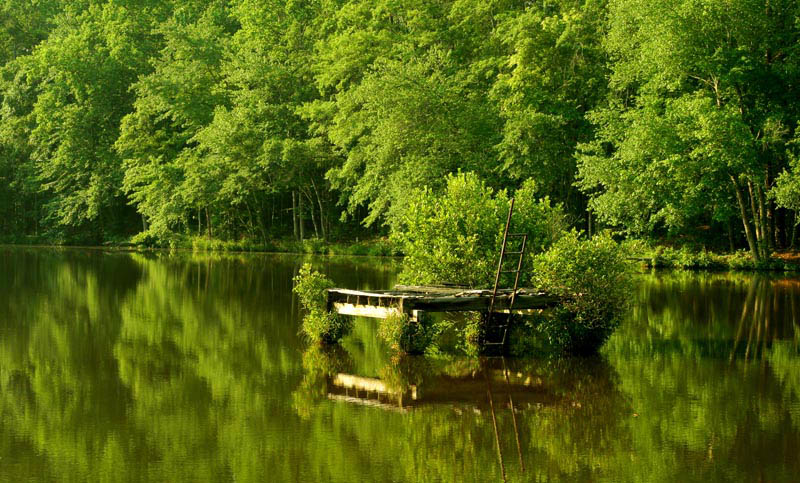
My favorite impact of cloudy days are on reflective surfaces such as water and especially glass. You don’t have to worry about direct sunlight blowing out part of your photograph and I find the effect when you strip away the color to be beautiful.
ISO-100, F22.0, 1/15s, 1:23 PM CST
Composition and cropping
Use that blank canvas to create wide expanses or segments/slivers of negative space you wouldn’t have had with a blue sky.
ISO-100, F8.0, 1/400s, 1:14PM CST
It could rain (gasp!) –
- and that’s not a bad thing. These days, digital cameras are much better than they used to be and have greater resistance to water and professional equipment is considered air-tight. It can handle more than a few raindrops. Besides, the few moments before and after a rainstorm can add some drama that you weren’t getting when it was simply overcast.
ISO-400, F8.0, 1/100s, 10:24AM EST
Post-processing
I realize some “purists” cringe at anything post-processing, but I’ve made up my mind about S.O.B. photography a long time ago. Vignetting and playing with the S-curve, among many other development techniques, can aid the visual impact for seemingly mundane scenes. Play with it and see what you come up with.
Like many amateur and professional photographers, I get a thrill from interpreting urban and rural environments. Often overcast days reveal subject matter to evaluate and study that I’d otherwise miss on perfectly nice days. So don’t let a little down weather ever discourage you from satisfying your urge to shoot!
Opinions and facts (ha!) are subject to change. Suggestions? Corrections? LOLs and snide comments? E-mail info@sestevens.com
Well now that I’m back on the ground in Raleigh for the past few months, I’ve been concentrating on developing my business here. Which means not only are the “for fun” shots are few and far between, I don’t even bother looking at them until a month later. So these are from sometime in the middle of June.
The first was a morning trip through rural North Carolina about an hour east of Raleigh.
These are the fearless intrepid photographers that I got to tag along with, Maria and Jackie!
I’ve actually never traveled through this area. The conditions we traveled in weren’t prime for photography, but it allowed ample opportunity to scope the region. I think it’s a place I’d like to get lost through eventually for a day. We’ll see when that’ll actually happen!
Character (2011)
The second shoot was at a place I had never really gone either – Lake Crabtree out in Morrisville. I spent an hour with the Raleigh Outdoor Photography Club at sunset. Clubs like these typically provide convenient scheduled excuses for me to take a break.
This is Sam Upchurch, who is an AMAZING photographer. He also has a lot of cool gadgets. I strongly resisted the temptation to yank that chair and use it for myself.
Sunset over Lake Crabtree (2011)
That’s it for now. I probably won’t have too many leisurely outings until the fall season!